What Makes a Detroit Beat Work Best for Rio Da Yung OG and Babyfxce E Styles
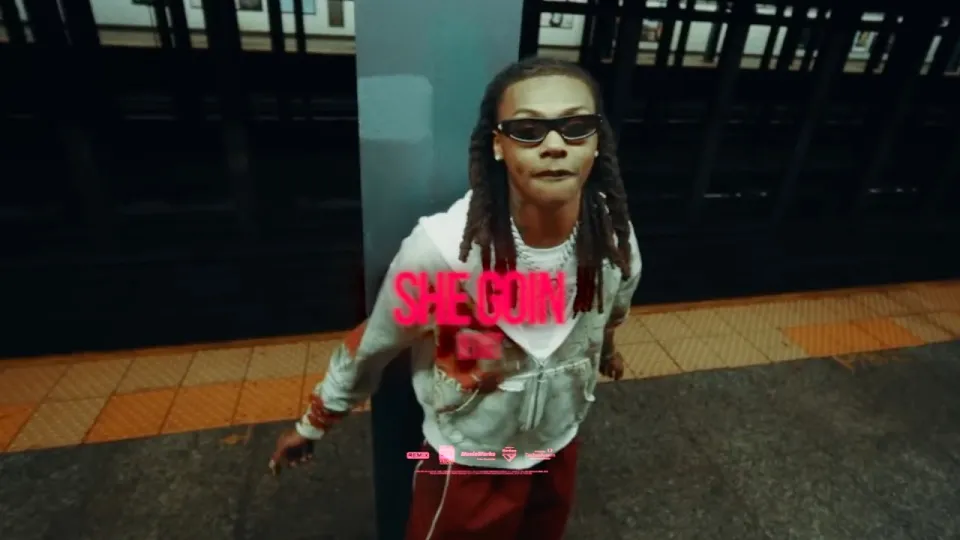
Video: [FREE] “She Goin” - Rio Da Yung OG x Babyfxce E Type Beat | Detroit Type Beat
Want articles like this for your own video to promote it on YouTube and Google? Order them through the Telegram bot @sat_sit_bot. The bot writes and publishes the articles itself (with your YouTube video embedded) on popular topical websites (no ads). Free trial — 50 articles.
A Detroit beat works best for Rio Da Yung OG and Babyfxce E when it stays sparse, tuned low, and leaves the midrange open for deadpan punchlines. The winning formula is a 130–150 BPM halftime groove, sliding 808s, crisp hi-hat rolls and one memorable melodic loop that never crowds the vocal. That template is exactly what you hear in the free type beat "She Goin" from producer Reuel StopPlaying, which you can grab through the beat purchase and download page before deciding whether it fits your next track.
What a Detroit beat actually is
A Detroit beat is a rap instrumental built around halftime drums, deep sliding 808s and a loop that repeats with almost hypnotic consistency. The style grew out of Michigan's rap scene, where Flint and Detroit artists traded the same producers and pushed a sound that sits somewhere between trap and a stripped-down street record. Tempos usually land between 130 and 150 BPM, but the drums feel half that speed because the kick and snare are spaced far apart.
The defining traits are easy to list:
- A simple melodic loop — piano, bell, plucked synth or a filtered sample — repeated with minimal variation.
- An 808 that glides between notes instead of hitting one pitch, which is what gives the beat its sliding, woozy weight.
- Hi-hat patterns with fast rolls and occasional triplets, used as texture rather than the main event.
- Very little reverb on the drums, so everything hits dry and close.
- A mix that reserves the 1–4 kHz range for the rapper, not the melody.
That last point matters more than any drum choice. Detroit and Flint vocals are often delivered flat, almost conversational, so the beat has to sound expensive without sounding busy.
Why Rio Da Yung OG and Babyfxce E change the beat requirements
Rio Da Yung OG and Babyfxce E both rap in a low-energy, deadpan register, which means the instrumental has to carry the momentum for them. Rio's delivery is famous for long strings of one-liners where the punchline lands harder than the bar before it; if the beat is cluttered, those lines get buried. Babyfxce E works a similar lane with a slightly more melodic cadence, so a loop with a clear top-line melody gives him something to ride.
In practice, that means:
- Keep the melodic loop in a narrow range, ideally under an octave, so it does not fight the vocal.
- Tune the 808 to the key of the loop and check it on a phone speaker, because most listeners will hear it there first.
- Cut the melody out for one or two bars at a transition point; the sudden space reads as a hook even without a sung chorus.
- Avoid stacking too many percussion layers — a single clap or snare is usually enough.
A type beat labeled for Rio Da Yung OG or Babyfxce E is essentially a promise that the instrumental is mixed with this restraint in mind.
How to judge a free Detroit type beat before you download it
A free Detroit type beat is only useful if it survives three tests: it loops without fatigue, it mixes cleanly under a raw vocal, and its license actually covers what you plan to do. Plenty of free downloads sound great in isolation and fall apart the moment a vocal is recorded on top.
Work through this checklist in order:
- Loop the beat for three minutes and note the moment you get bored. If it happens before the two-minute mark, the arrangement needs a break or a drop.
- Record a scratch vocal, even on your phone, and listen back. If you have to raise your voice to be heard, the melody is too loud.
- Check the low end on at least two systems — headphones and a small speaker. An 808 that only exists on studio monitors will disappear on a phone.
- Read the license text before you upload anything. Free usually means non-profit, not unlimited.
- Confirm the credit format the producer requires, because missing credit can get a video claimed later.
For the "She Goin" beat, the producer's terms are explicit: free for non-profit use only, with written credit formatted as "Produced by (Producer Name) for SoundFirst Productions" on every physical or digital distribution. Streaming uploads need the same credit written in the video description.
Free beat rules and when you need a license
Free beats are promotional tools, and the standard terms across the type beat market are narrower than most rappers assume. Non-profit use covers free demos, promo CDs, personal listening and non-ticketed live shows. The moment money enters the picture — paid streams, monetized videos, paid shows, sync placements — you need a license.
Typical license tiers look like this:
- Non-Exclusive: you can sell and monetize your song, but the producer can keep leasing the same beat to other artists.
- Exclusive: the beat is removed from sale and nobody else can license it, usually at a significantly higher price.
- Trackout or stems: separate audio files for each instrument, which lets you or a mixing engineer rebalance the beat around your vocal.
If you plan to release on streaming platforms and collect royalties, budget for at least a non-exclusive lease. It is usually cheaper than the revenue you would lose from a copyright claim, and it removes the risk of the beat being pulled after your song gains traction.
Common questions from rappers using free type beats
Rappers evaluating a free Detroit beat tend to ask the same handful of things, and the answers rarely change. The first is whether screen-recording the beat counts as a download. Technically you can capture the audio, but the license still applies — capturing it does not convert a non-profit beat into a commercial one. The second is price. Non-exclusive leases for underground type beats commonly fall in the low tens to low hundreds of dollars, while exclusives run into the hundreds or more depending on the producer's profile.
The third recurring question is whether a producer will take the video down after a purchase. Most producers either remove the free upload or leave it up but stop selling the beat to anyone else once it is exclusive; ask before paying so there is no confusion. The fourth is whether you can sell beats yourself. You cannot resell the instrumental, but you can sell your song built on it under the terms of your license.
One more practical point: if you buy an exclusive and want the original beat video removed, get that in writing. Verbal agreements are hard to enforce once a track starts earning.
Mixing tips that keep a Detroit beat and a raw vocal from clashing
A Detroit beat and a deadpan Michigan vocal clash most often in the same two frequency ranges, and fixing that is simpler than it sounds. The melodic loop and the vocal both want space around 1–3 kHz, and the 808 and the vocal both compete below 150 Hz.
Use these moves in order:
- High-pass the vocal around 80–100 Hz so it does not fight the 808 for sub energy.
- Carve a narrow dip in the melody wherever the vocal sits loudest, usually 1.5–2.5 kHz.
- Sidechain the 808 to the kick if the low end feels muddy, or just shorten the kick tail.
- Keep the hi-hats bright but not harsh — a gentle shelf above 10 kHz is usually enough.
- Leave the master with 3–6 dB of headroom before limiting, since streaming platforms normalize loudness anyway.
If you are working with a free beat and cannot get stems, these same moves still work on the stereo file, just with less precision.
Where to get the beat and what to check next
Reuel StopPlaying publishes free and licensed type beats aimed at the Michigan underground, and the "She Goin" instrumental is built for exactly the Rio Da Yung OG and Babyfxce E lane described here. The producer's contact and social links are listed with the upload, and the beat is available through the same purchase page linked at the top of this article.
Before you commit to a beat, decide three things: the tempo you actually rap comfortably at, whether you need stems, and whether the release will be monetized. Those three answers determine whether a free download is enough or whether you should move straight to a lease.
Final thoughts on picking a Detroit beat
The best Detroit beat for a Rio Da Yung OG or Babyfxce E style is the one that gets out of the way — sparse drums, a tuned sliding 808, and a loop short enough to remember after one listen. Free type beats are a legitimate way to test that fit, as long as you respect the non-profit terms and add the required written credit. Once a track starts earning, upgrade to a non-exclusive or exclusive license so the release stays online. This breakdown comes from the Reuel StopPlaying catalog, and the "She Goin" beat is available here: buy or download the beat.
Key takeaways
- Detroit beats usually sit between 130 and 150 BPM with halftime drums and heavy 808 slides.
- Rio Da Yung OG and Babyfxce E favor sparse, punchy instrumentals that leave room for deadpan punchlines.
- The free beat "She Goin" by Reuel StopPlaying is cleared for non-profit use only, with written credit required.
- Commercial release of a free type beat needs a Non-Exclusive or Exclusive license before streaming revenue.
- A usable Detroit type beat needs clean headroom, tuned 808s and a loop that survives 3 minutes without fatigue.
Source: [FREE] “She Goin” - Rio Da Yung OG x Babyfxce E Type Beat | Detroit Type Beat · Markdown version
Questions & answers
Can I use a free Detroit type beat on a monetized YouTube video?
No. Free type beats are typically licensed for non-profit use only, which excludes ad revenue, paid streams and paid shows. If your video is monetized, you need a Non-Exclusive or Exclusive license from the producer before you upload.
Do I have to credit the producer if the beat was free?
Yes, credit is normally mandatory even for free downloads. For the "She Goin" beat the required format is "Produced by (Producer Name) for SoundFirst Productions," written in the video description or printed on any physical release.
How much does it usually cost to license a Detroit type beat?
Non-exclusive leases for underground type beats commonly run from the low tens to low hundreds of dollars, while exclusives cost more and remove the beat from sale. Prices depend on the producer's following, so ask directly before you plan a release.
Will the producer take the beat video down after I buy it?
It varies. Some producers delete the free upload after an exclusive sale, others leave it up but stop licensing the beat to anyone else. Get the answer in writing before you pay so there is no dispute later.